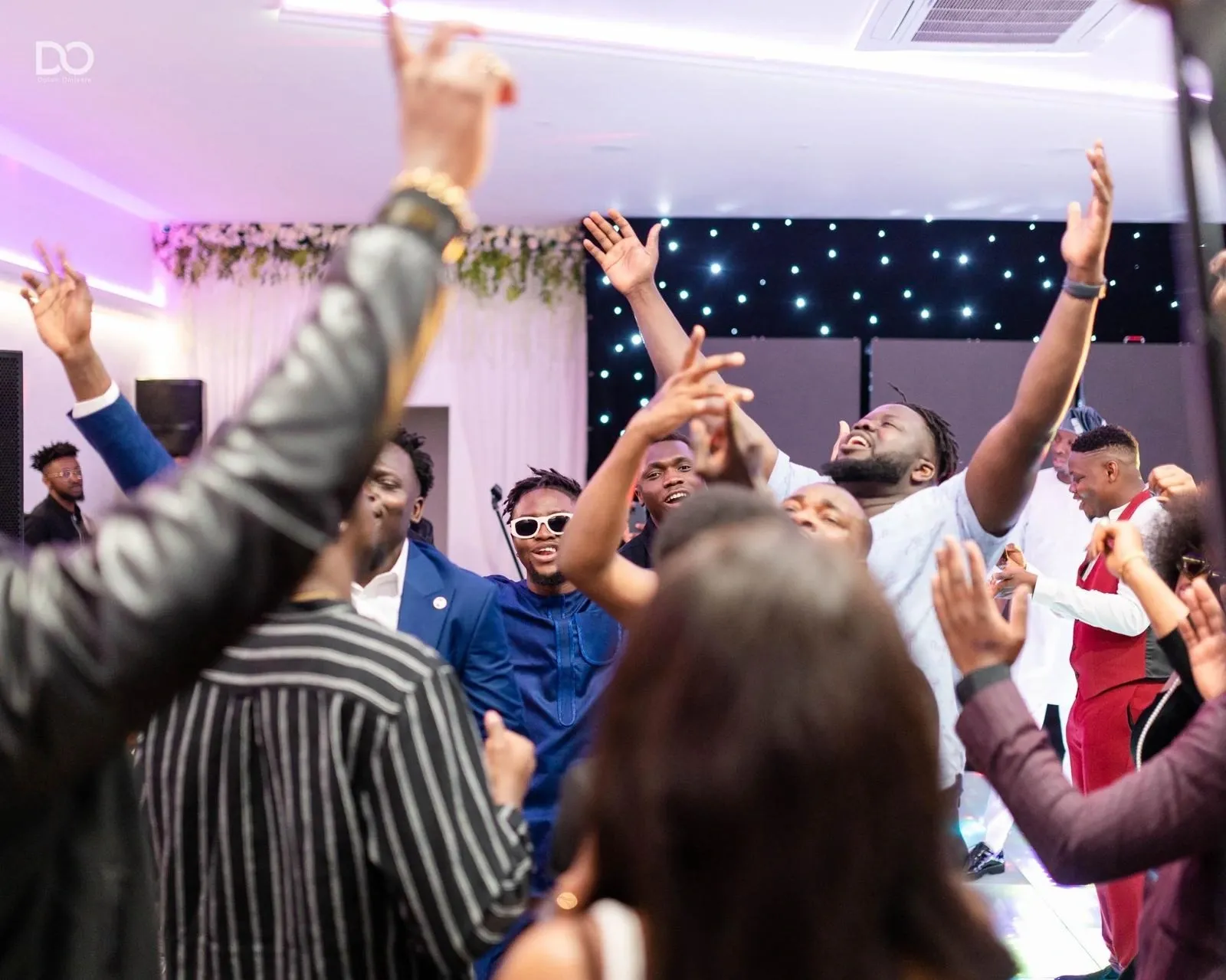
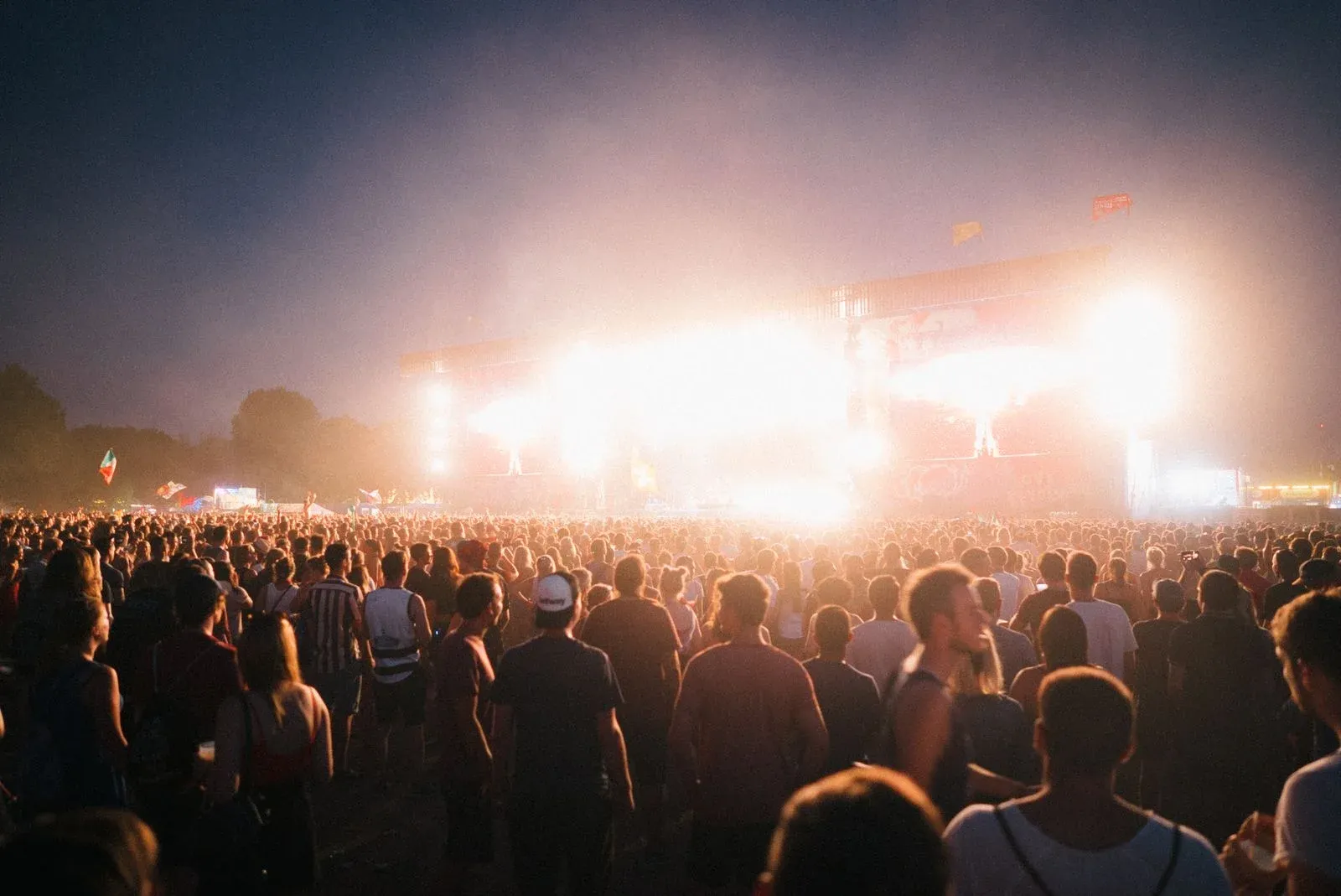

A heritage festival is really three events running at once — a marketplace, a stage programme, and a crowd of people trying to move safely between both. Get the coordination wrong and even a beautifully produced main stage can feel chaotic by mid-afternoon. Here’s how we plan around all three from the very first site visit, rather than treating any one of them as an afterthought.
TREAT THE MARKETPLACE AS ITS OWN PRODUCTION
Independent artisans and vendors arrive on their own schedules, with their own vehicles, their own setup needs, and often very little patience for waiting behind a main-stage load-in that has nothing to do with them. Folding vendor load-in into the main production timeline is one of the most common planning mistakes we see on festivals that haven’t been produced by a dedicated team before — it needs its own coordinator, its own schedule, and its own point of contact that runs entirely in parallel to the main stage plan, not underneath it.
On a festival with sixty or more independent stallholders, that coordinator role alone can be the difference between a marketplace that opens on time and one that’s still half-assembled when the gates open.
CROWD FLOW IS DECIDED AT THE SITE-MAP STAGE, NOT THE SECURITY BRIEFING
By the time security briefings happen, most of the real crowd-safety decisions should already be made. Sightlines, food vendor placement, the width of the paths between the marketplace and the stages, where queues will naturally form — these get worked out on the site map, often redrawn two or three times before doors open. A festival that’s genuinely well designed rarely needs heavy-handed crowd management on the day, because the site itself is doing most of the work of keeping people moving safely.
We’ve redrawn site maps late in planning more than once after a walkthrough revealed a pinch point nobody had noticed on paper — usually where two high-traffic areas were closer together than the drawing suggested. Catching that before doors open, rather than during the festival’s busiest hour, is worth the extra planning pass every time.
MULTI-DAY STAGING NEEDS A DIFFERENT RUN SHEET THAN A SINGLE NIGHT
A single-night showcase and a multi-day durbar-style festival are not the same production simply scaled up. Multi-day events need load-in sequencing that accounts for overnight security, crew rotations so the same people aren’t running sixteen-hour days for three days straight, and a run sheet built for stamina as much as spectacle. Performer schedules, vendor restocking, and even something as basic as where crew eat and rest across multiple days all need their own planning line — details that simply don’t exist on a one-night production.
BUILDING THE SITE MAP AROUND THE STORY, NOT JUST THE LOGISTICS
It’s tempting to treat site design as a purely logistical exercise — biggest stage where it fits, marketplace where there’s space, done. But the strongest festival layouts are designed around the story the festival is telling, the same way the stage programme is. A festival celebrating textile heritage, for instance, benefits from a marketplace positioned as a genuine centerpiece rather than an overflow area, because for many attendees, that’s where the cultural exchange is actually happening.
BUDGETING FOR A FESTIVAL VERSUS A SINGLE-STAGE EVENT
Festival budgets get spent differently to a single-stage production, and treating them the same way tends to under-fund exactly the parts that matter most for a public event — site infrastructure, crowd safety measures, and marketplace coordination often need a larger share of the budget than the main stage itself, even though the stage is usually where clients instinctively want to spend first. We build festival budgets zone by zone rather than department by department, so site design and crowd flow get funded as seriously as the headline performance.
WHAT WE LOOK FOR ON THE FIRST SITE VISIT
Before a single stage design is drawn, we walk the site looking for natural sightlines, existing pinch points, where the sun will be at key hours, and where power and water access already exists versus where it needs to be brought in. Those constraints shape the plan more than almost any creative decision that follows — a festival built around what the site actually offers, rather than fought against it, is always the easier one to run.
THE VENDOR APPLICATION PROCESS SHAPES THE MARKETPLACE MORE THAN PEOPLE EXPECT
Who ends up in the marketplace has as much to do with how vendors are recruited as with how the space is designed. An open call that isn’t actively curated tends to skew toward whoever applies first or loudest, not necessarily toward the mix of craft, food, and cultural representation that makes a marketplace genuinely interesting to walk through. We treat vendor selection as a curatorial decision, not just an operational one — actively reaching out to fill gaps in a marketplace’s offering rather than simply processing applications in the order they arrive.
WEATHER AND CONTINGENCY PLANNING FOR OUTDOOR FESTIVALS
Any outdoor heritage festival needs a genuine weather contingency plan, not a vague assurance that “we’ll figure it out.” That means knowing in advance which parts of the programme can move under cover and which can’t, how quickly a marketplace can be weatherproofed if conditions turn, and at what point a decision to delay or adjust the programme actually needs to be made and by whom. Building this into the plan from the start — rather than improvising it on the day — is what keeps a sudden downpour from becoming a full programme crisis.
STAFFING A FESTIVAL IS DIFFERENT FROM STAFFING A SINGLE-STAGE EVENT
A festival with multiple stages and a marketplace running simultaneously needs a staffing structure that reflects that — not one production lead trying to be everywhere, but named owners for each zone, each reporting into a central production office that can see the whole site at once. We map out staffing by zone before we map out staffing by role, because a festival where every discipline is centralized under one roof but nobody owns a specific physical area of the site tends to leave gaps exactly where two zones meet.
PERMITS, INSURANCE, AND THE PAPERWORK THAT PROTECTS THE DAY
Public-facing festivals carry a level of regulatory and insurance complexity that private events simply don’t — public liability cover scaled to actual attendance, food vendor hygiene certification, noise permits where a festival runs into evening hours, accessibility provision that meets the venue’s legal obligations, not just good intentions. None of this is glamorous, and all of it needs to be settled well before the festival is publicly announced, because a permit issue discovered two weeks out is a far more expensive problem than the same issue caught during initial site scoping.
PLANNING YOUR OWN FESTIVAL?
Festivals & Public Programmes is one of the four disciplines we run entirely in-house, from performer and artisan curation through to crowd flow and site design. If you’re planning a heritage-led festival or public cultural programme — whether it’s a single afternoon or a multi-day production — this is where we’d start the conversation, with a site visit and a story, before a single stage gets designed.